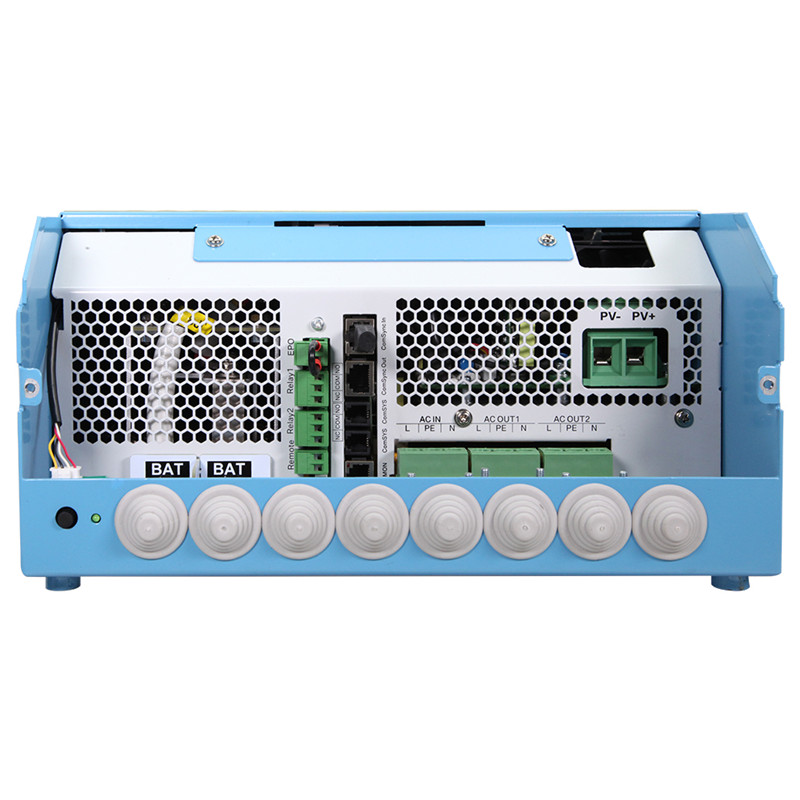
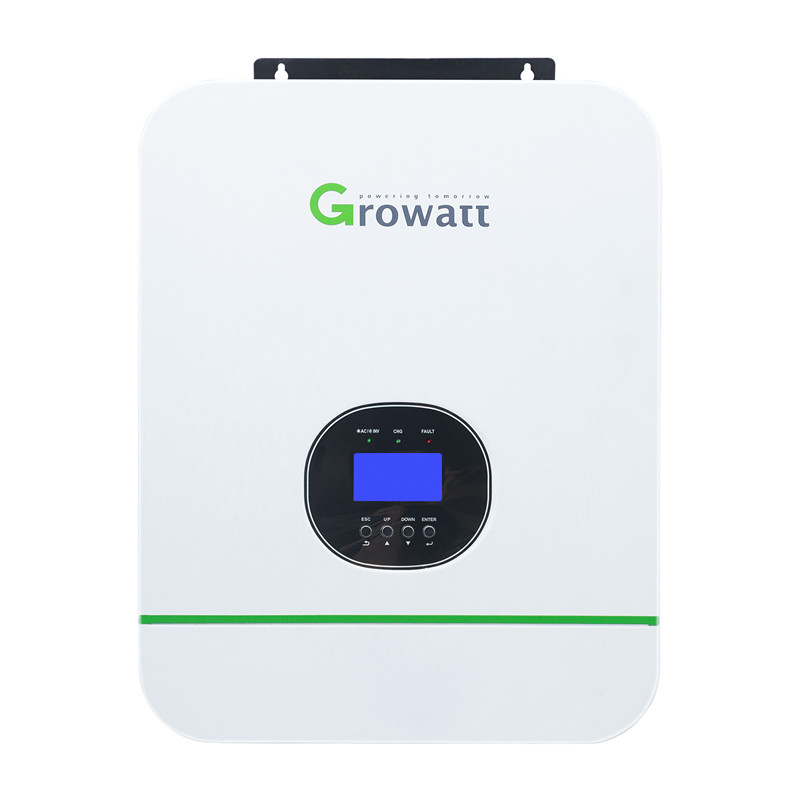
**Innovations in Solar Energy: Advancing Photovoltaic Systems with Cutting-Edge Inverter Technologies**The global shift towards renewable energy sources continues to accelerate, driven by increasing demand for sustainable and efficient power solutions. Central to this transformation is the photovoltaic (PV) system, which converts sunlight into electrical energy. At the heart of these systems are advanced inverters, responsible for ensuring optimal energy conversion and grid compatibility. Recent developments in inverter technologies, including Transformer-less designs, three-level topologies, and Maximum Power Point Tracking (MPPT) capabilities, are reshaping the solar energy landscape.**Revolutionizing Solar Energy Conversion with Advanced Inverters**Inverter units such as the Total Bridge Bi-directional (TBB) inverter, grid-tie inverter, three-phase inverter, and solar energy inverter play a critical role in managing the flow and quality of electricity generated by PV systems. These devices not only convert DC power generated by solar panels into AC power suitable for consumption but also synchronize with the utility grid to maintain system reliability and efficiency.**Transformer-less Designs: Enhancing Efficiency and Reducing Costs**Traditional solar inverters often include transformers to isolate the PV system from the grid for safety and voltage adaptation. However, transformer-based inverters introduce additional weight, cost, and energy loss. The advent of transformer-less designs eliminates these drawbacks, resulting in more lightweight, efficient, and cost-effective converters. Transformer-less inverters reduce the energy conversion losses significantly and provide higher efficiency ratings, making solar installations more attractive to both residential and commercial users.**Three-Level Topology: Advancing Power Quality and Reliability**In photovoltaic inverters, three-level topology refers to a power electronics design that allows the inverter to generate AC output voltages with lower harmonic distortion. By producing a stepped voltage waveform, three-level inverters reduce the Total Harmonic Distortion (THD), enhancing power quality and reducing stress on connected electrical equipment. This topology improves the inverter’s efficiency and thermal performance, extending equipment life and lowering maintenance costs.**Maximum Power Point Tracking (MPPT): Optimizing Energy Harvesting**Maximum Power Point Tracking (MPPT) is a pivotal technology embedded in modern solar inverters to maximize the energy extracted from solar panels. The MPPT algorithm continuously monitors voltage and current output to find the ideal operating point, adjusting the load dynamically to maintain peak power output despite changes in sunlight intensity and temperature. This ensures that PV systems operate efficiently throughout the day under varying environmental conditions.**Grid-Tied Solar Inverters: Seamless Integration with Renewable Networks**Grid-tied solar inverters are specifically designed to interface photovoltaic systems directly with the utility grid. They ensure that the power delivered matches the frequency and voltage of the grid, enabling seamless synchronization and bi-directional power flow. This ensures excess energy generated can be fed back into the grid, turning homes and businesses into active participants in electricity markets and contributing to energy sustainability.**Three-Phase Inverters: Powering Industrial and Large-Scale Installations**For larger commercial and industrial PV installations, three-phase inverters are the industry standard. By generating three-phase AC power, these inverters provide balanced loads and reduced electrical losses, making them ideal for applications requiring high power capacity and reliability. Their robust design supports grid stability, enhances power quality, and facilitates easier integration with existing electrical infrastructure.---**Company Introduction**Founded with a mission to pioneer sustainable energy technology, our company specializes in designing and manufacturing state-of-the-art photovoltaic inverters. Leveraging decades of expertise in power electronics and renewable energy, we deliver solutions that combine innovation, efficiency, and durability.Our range of products includes TBB inverters, grid-tie inverters, transformer-less designs, and three-phase inverters employing advanced three-level topologies. Each product integrates sophisticated MPPT algorithms, ensuring our customers achieve maximum energy yield from their PV systems.Committed to promoting clean energy, our company supports a broad spectrum of applications—from residential rooftops to large-scale solar farms—providing customized inverter solutions tailored to meet diverse operational requirements. Our transformer-less inverters, in particular, embody our dedication to reducing system costs and environmental impact while enhancing system performance.Recognizing the importance of grid integration, our inverters are compliant with international grid codes and feature versatile communication interfaces for smart grid compatibility. Our engineering teams continuously innovate to push the boundaries of solar inverter capabilities, focusing on reliability, safety, and high efficiency.---**Looking Ahead**In an era where energy resilience and sustainability are paramount, advancements in inverter technology pave the way for more efficient, reliable, and cost-effective solar power solutions. Transformer-less designs and three-level topologies exemplify the cutting edge of power electronics innovation, while MPPT functionality maximizes yield from varying environmental conditions. Together with grid-tied and three-phase inverter systems, these technologies enable seamless integration into modern energy networks.As solar energy adoption expands worldwide, our company remains at the forefront of inverter technology innovation, offering products that empower users to harness the sun's potential efficiently and sustainably. Through continuous R&D investment and customer collaboration, we strive to lead the solar power industry toward a brighter, cleaner future.
Read More