
Three Phase Solar Inverter for Home | 400W, 2kW Full Bridge & Half Bridge 240V Inverters
By:Admin
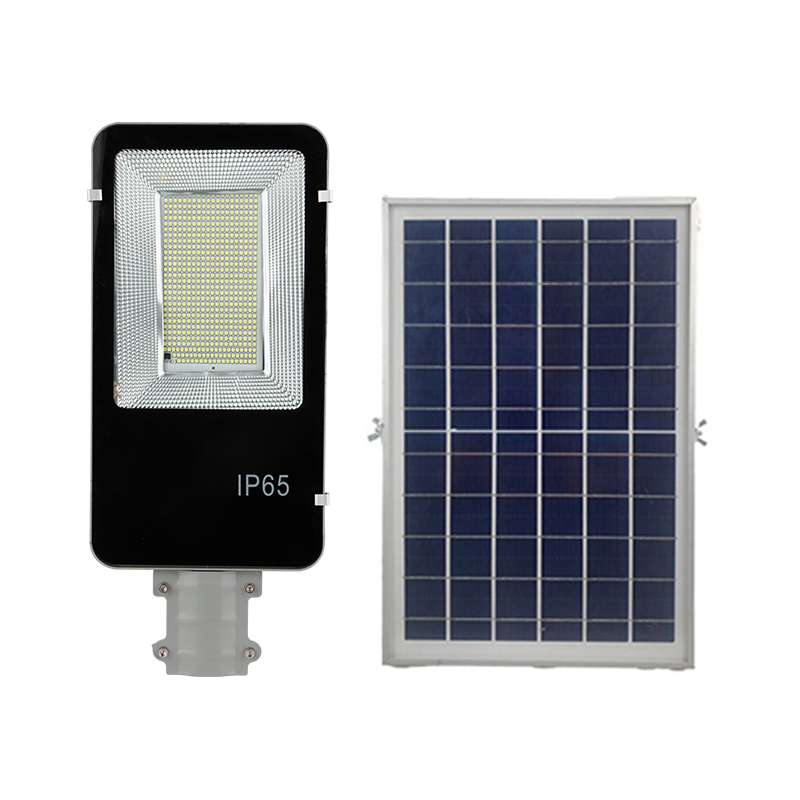
In recent years, the surge in renewable energy adoption has propelled innovations in power conversion technologies, particularly in solar inverters. Among the most notable developments is the growing prominence of three-phase solar inverters, which are transforming how residential and small commercial users harness and utilize solar energy. This article delves into the latest trends and offerings in three-phase solar inverter technology, emphasizing key products such as the 400-watt home inverter, 240V inverter, 2kW inverter models, and advanced inverter topologies like full bridge and half bridge configurations.
**Three-Phase Solar Inverters: What Are They and Why Choose Them?**
A three-phase solar inverter converts the direct current (DC) power generated by solar panels into three-phase alternating current (AC) electricity. This is essential for homes or facilities that operate on three-phase electricity supply, ensuring smooth energy integration, efficient power distribution, and improved reliability.
Compared to single-phase inverters, three-phase inverters offer several advantages:
- **Enhanced Power Capacity:** They support higher power loads which is essential for larger home setups or small businesses.
- **Improved Efficiency:** They reduce energy losses through better phase balance.
- **Increased System Stability:** Balanced load distribution prevents voltage drops and equipment stress.
These benefits make three-phase solar inverters particularly suited for modern homes aiming for sustainable and uninterrupted power supply.
**Highlighting Key Products**
1. **400-Watt Three-Phase Home Solar Inverter**
Designed for small residential applications, this compact inverter is ideal for homeowners looking to begin their solar journey without large upfront investments. Its 400-watt capacity ensures basic energy needs are met efficiently, powering essential appliances while maintaining grid compatibility.
2. **240V Three-Phase Inverter**
Aimed at typical household voltage requirements, the 240V inverter provides seamless power conversion for common residential grid standards. Homeowners benefit from stable voltage delivery, protecting devices and enhancing overall system performance.
3. **2kW Three-Phase Solar Inverter**
For users with larger energy consumption or those integrating additional solar modules, the 2kW inverter offers robust performance. Its capacity supports powering multiple devices simultaneously and is well-suited for homes with electric heating, water pumps, or EV charging stations.
4. **Full Bridge and Half Bridge Inverter Topologies**
Solar inverter design profoundly influences efficiency and reliability. Full bridge inverters utilize four switching elements arranged in an H-bridge configuration, enabling improved power output quality and higher efficiency. This topology supports bidirectional power flow, advantageous for battery-integrated solar systems.
Half bridge inverters, on the other hand, use two switching devices and are favored for their simpler design and cost-effectiveness. While they may not provide the same power quality as full bridge models, they are still reliable for small-scale residential applications and offer a budget-friendly approach to solar integration.
5. **Maximum Power Point Tracking (MPPT) and Power Optimization**
Many of these inverters incorporate MPPT technology to maximize energy harvest from solar panels. MPPT continuously tracks the optimal operating voltage and current, ensuring the solar panels operate at peak efficiency regardless of changing sunlight conditions.
**Trends Driving Innovation and Adoption**
- **Integration with Home Energy Management Systems (HEMS):** Modern inverter models are increasingly compatible with smart home systems, enabling users to monitor and control energy flow via apps and cloud platforms.
- **Hybrid Configurations:** Combining solar inverters with battery storage systems fosters energy independence and backup power during outages.
- **Grid-Tied & Off-Grid Flexibility:** Sophisticated inverter designs support both grid-tied and off-grid operations, catering to diverse user needs.
- **Enhanced Safety and Standards Compliance:** New inverters comply with international standards for safety, electromagnetic interference (EMI), and anti-islanding protection, ensuring reliability.
**Company Profile: Pioneering Renewable Power Solutions**
At the forefront of these technological advancements is a global leader committed to delivering state-of-the-art solar inverter solutions tailored for residential and commercial applications. With decades of experience in power electronics and renewable energy systems, the company continually innovates to provide efficient, durable, and user-friendly inverters.
Their product portfolio ranges from compact 400-watt home inverters to robust 2kW three-phase models, including options with full bridge and half bridge inverter topologies. Prioritizing quality and customer satisfaction, the company integrates advanced features such as MPPT, remote monitoring, and intelligent energy management functionalities.
With a strong global footprint, the company also offers comprehensive after-sales support and technical services, helping clients maximize their solar investment benefits. Its commitment to sustainability and technological excellence makes it a trusted partner for those advancing towards clean energy futures.
**Conclusion**
The evolution of three-phase solar inverters marks a significant step forward in residential solar energy applications. With products like the 400-watt home inverter, 240V models, and 2kW high-capacity inverters complemented by full and half bridge designs, homeowners now have more options than ever to customize their solar power systems according to needs and budgets.
As renewable energy continues to gain traction, these inverter innovations will play a crucial role in shaping efficient, resilient, and smart energy ecosystems. Supported by experienced companies driving innovation, residential solar installations are set to become more accessible, efficient, and impactful in the global transition towards sustainability.